

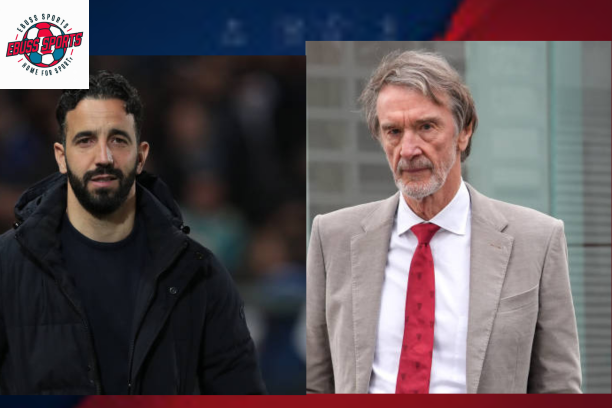
Manchester United’s Defining Summer: A Strategic Overhaul Under Ineos
Manchester United stands at a pivotal juncture this summer, embarking on an ambitious and challenging squad overhaul under the stewardship of its new ownership, Ineos. The directive is clear: a dramatic transformation of head coach Ruben Amorim’s squad for the upcoming 2025/26 campaign. However, this aspiration collides with the formidable realities of the Premier League’s stringent Profit and Sustainability Rules (PSR), forcing the Red Devils to not only critically examine their current roster but also to display unprecedented financial ingenuity amidst increasingly tight budgetary constraints. This summer is less about lavish spending and more about intelligent asset management and strategic divestment, setting the stage for a period of intense scrutiny and crucial decision-making.
The Strategic Imperative and Financial Headwinds
The imperative for change at Old Trafford is undeniable after a season that fell short of expectations. Ineos aims to inject a new era of performance and accountability, beginning with a squad tailored to Ruben Amorim’s tactical vision. Yet, the ghost of past transfer dealings looms large. Years of overspending on players who have failed to consistently deliver, coupled with bloated wage bills, have left the club walking a tightrope with financial fair play regulations. The need to offload players is not merely for tactical refreshment but a financial necessity to create headroom for new acquisitions. This delicate balancing act demands a strategic approach to valuation and negotiation that United has historically struggled to execute, making the forthcoming transfer window a true test of Ineos’s promised operational excellence.
Navigating the Player Exodus: A Complex Challenge

As Ruben Amorim prepares to shape his squad, the ambitious target of offloading as many as ten players presents a formidable operational challenge. This isn’t just about selling; it’s about finding willing buyers for players who, in many cases, are either past their peak, have struggled for consistent form, or command wages that few other clubs can match. The success of this clear-out will dictate the flexibility United has in the transfer market for incoming talent.
The Clear-Cut Departures
The initial four exits appear relatively straightforward, providing a baseline for the required clear-out. Veteran defender Jonny Evans and experienced goalkeeper Tom Heaton are both nearing the end of their careers and are expected to retire or move on from professional football. Midfielder Christian Eriksen and defender Victor Lindelof, both approaching the expiry of their contracts, are anticipated to depart as free agents, allowing the club to shed significant portions of their wage bill without the complications of negotiating transfer fees. While these departures free up space and wages, they generate no transfer income, thus placing even greater pressure on subsequent sales.
The Intractable Cases: High Wages and Limited Market
The real complexity arises with players like Marcus Rashford, Antony, and Jadon Sancho. These individuals, despite their potential, have found themselves either out of favour, struggling for consistent form, or embroiled in off-field issues. Their considerable wages, often reflective of their initial transfer fees and perceived market value upon signing, now represent significant hurdles. For instance, finding a club willing to match Rashford’s reported salary, especially given his inconsistent performances, will be a monumental task. Similarly, Antony’s high transfer fee and Sancho’s public fallout and subsequent loan spell make finding buyers who will offer a reasonable return on investment incredibly difficult. Loaning these players out again might be an option, but it defers the problem and continues to eat into the wage budget without generating capital for reinvestment.
Market Dynamics and Valuation Realities
The market dynamics facing Manchester United are far from favourable. Ineos’s aim to facilitate these player exits without needing to commit hefty reinvestments back into the squad from those sales is a sign of the financial tightrope they are walking. The global transfer market is acutely aware of United’s predicament: a club needing to sell, often with players on high wages who have underperformed. This weakens their negotiating position considerably, driving down potential transfer fees.
The Legacy of Mismanagement: Depressed Asset Values
For years, Manchester United has been criticised for its transfer strategy, often overpaying for players and failing to integrate them effectively. This legacy of mismanagement has resulted in a squad where many players’ market value has significantly depreciated since their arrival. Consequently, generating the desired transfer fees for assets like Casemiro, who, despite his calibre, is ageing and on a substantial contract, feels increasingly slim. Clubs will be hesitant to pay a premium, understanding United’s urgent need to sell and their history of failing to extract maximum value from outgoing transfers. This situation demands innovative strategies beyond simple buy-low-sell-high, potentially involving creative loan-to-buy deals or accepting lower fees to expedite exits.
Casemiro and Other Potential Sales: A Glimmer of Hope?
While the overall picture is challenging, certain players might still attract reasonable interest. Casemiro, a proven winner at the highest level, could be a candidate for clubs in Saudi Arabia or other leagues seeking experienced leadership, though his wages remain a major factor. Other fringe players, if marketed shrewdly, could also contribute to the coffers. The ambition to sell ten players and substantially refresh the squad marks a critical juncture for the club, demanding not just a firm hand but also highly innovative strategies to navigate a complex transfer landscape. Success in this area is paramount to Amorim’s ability to mould a competitive team.
Conclusion: A Summer of Crucial Decisions
The Path Ahead for Manchester United
This summer represents a monumental test for Ineos and Ruben Amorim. Balancing financial prudence with the ambition to build a winning team will require ruthless decision-making and strategic prowess. The success of this overhaul will not only define the immediate future of Manchester United but also lay the groundwork for a sustainable, competitive era.
Explore More Manchester United News